




【 Maintenance Tips 】 In The Scorching Summer, Sprinkler Trucks Are Prone To Tire Blowouts. Here Is A
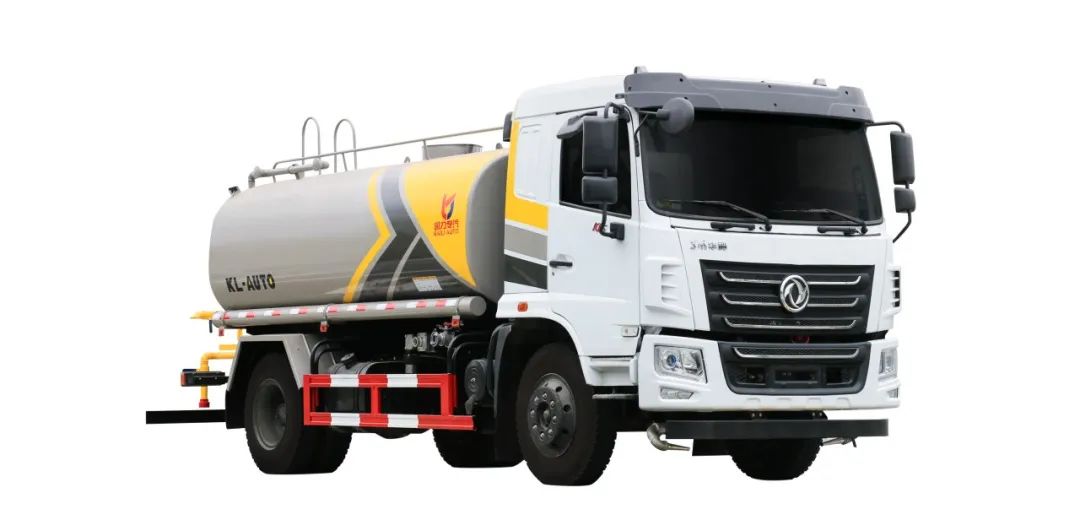
As Summer Approaches, Not Only Are People Prone To Becoming Irritable, But Tires Are Also Prone To Becoming "irritable". Therefore, There Are Relatively More Tire Blowouts On Sprinkler Trucks In Summer. Why Is This? What Are The Preventive Measures? Let's Get To Know Kaige Together.
Reasons For Tire Blowouts In Summer
1. High Temperature On The Road Can Cause Rubber Aging And Accelerate Tire Wear
In General, Tires Are Composed Of Rubber And Structural Materials. Rubber Has A Limited Service Life And Poor Thermal Conductivity. When The Tire Is Driven On High-temperature Roads, It Accelerates The Aging Of The Rubber, Causing Wear And Tear On The Tire. The Strength Of The Tire Decreases, And The Strength Of The Steel Wire Layer Decreases. Once It Is Damaged Or Not Driven According To Regulations, Such As Overweight, It Is Easy To Cause Tire Blowouts.
2. The Temperature Changes Greatly In Summer
Summer Is Rainy, And Sometimes There Is A Large Temperature Difference. Tires In This Environment Will Have Greater Pressure, Which Makes Them More Prone To Tire Blowouts.
How To Deal With A Tire Blowout On A Sprinkler Truck In Summer?
Correct Handling Method For Rear Tire Blowout Of Sprinkler Truck
If The Rear Wheel Of The Sprinkler Truck Experiences A Tire Blowout, The Sprinkler Truck Will Generally Tilt Towards The Side Of The Blowout. If There Is Water In The Tank At This Time, There Will Be Inertia, Which Will Create A Sense Of Balance. At This Time, Remember Not To Turn The Steering Wheel Randomly, Park The Sprinkler Truck To The Side Of The Road In The Normal Way, And Then Contact A Professional To Remove And Replace The Tire.
Correct Handling Method For Front Tire Blowout Of Sprinkler Truck
If The Front Tire Of A Sprinkler Truck Bursts, It Will Directly Affect The Control Of The Steering Wheel, Which Requires Drivers To Be More Careful. They Should First Turn On The Dual Flash Warning And Turn On The Sprinkler Music To Remind Surrounding Vehicles And Pedestrians. At The Same Time, Firmly Grasp The Steering Wheel, Strive To Maintain Stable Deceleration, And Try Not To Forcefully Brake To Avoid Rear End Collisions Or Water Trucks Slipping. Then Turn On The Right Turn Signal And Slowly Stop On The Roadside.
Kind Reminder
Don't Panic When A Sprinkler Truck Experiences A Tire Blowout. In Addition To Regular Operations, It Is Also Very Easy To Make Full Use Of The Inertia Of The Water In The Tank To Smoothly Pull Over To The Side Of The Road. Another Tip Is To Release The Accelerator Pedal, Downshift And Slow Down, But Be Sure Not To Step On The Brake Too Quickly. Use The Resistance Pulled By The Engine To Slow Down The Sprinkler Truck.
Precautions For Avoiding Tire Blowouts In Water Trucks During Summer
1. Do Not Use Cold Water To Cool Down The Tires
Because Thermal Expansion And Contraction Can Cause Deformation Of The Tire Structure, The Tread Is Prone To Cracking, Which Can Easily Lead To Tire Blowouts.
2. Avoid Speeding And Overweight Driving
The Load-bearing Capacity Of Tires Has Its Own Limit. Overweight And Speeding Can Cause Damage To The Tires, And When The Quantity Changes To A Qualitative Level, Tire Blowouts May Occur.
3. Avoid Direct Sunlight Exposure
When Parking On The Side Of The Road, It Is Best To Park The Vehicle In A Dry And Cool Place To Avoid Exposure To Sunlight, Which Can Cause Tire Aging.
4. Regularly Check And Maintain Tires
Check For Tire Injuries, Bulges, And Other Issues, Remove Stones And Debris From The Tread Grooves, Pay Attention To Tire Pressure, And Avoid Excessive Or Insufficient Pressure.
5. Timely Replace Over Aged Tires And Tires With Severely Worn Tread Patterns
If The Pattern Is Severely Worn, The Drainage Performance Will Decrease In Rainy Weather, And The Grip Will Be Unstable, It Is Easy To Cause Tire Blowouts And Traffic Accidents.
Concentrate Our Efforts And Create High-quality Specialized Vehicles!
Innovative Technology, Leading The Industry Direction!
A Good Car Is Not Expensive, Kaili Environmental Sanitation!