




【 Kaili Encyclopedia 】 How To Maintain The Sanitation Vehicle After Disinfection And Sterilization A
How To 'protect' Oneself While Defending The 'city'?
At Present, The Situation Of Epidemic Prevention And Control In China Continues To Improve, But The Epidemic Prevention Situation Is Still Complex. Many Parts Of The Country Have Resumed Production One After Another, And The Flow Of Personnel Is Gradually Increasing. Each Region Still Needs To Focus On Precise Prevention And Control By Zoning And Grading, And Resolutely Prevent The Resurgence Of The Epidemic.
During The Anti Epidemic Period, Environmental Sanitation Vehicles (sprinkler, Dust Suppression Vehicle, Spray Vehicle, Road Maintenance Vehicle, High-pressure Cleaning Vehicle) Throughout The Country Were Used For Emergency Disinfection And Epidemic Prevention Of Highways, Airports, Stations, Urban Trunk Roads, Communities, Farmers' Markets, And Back Streets And Alleys, Moving In The Opposite Direction, Reducing The Spread Of Viruses, And Building A Safe Defense Line.
Disinfectant (commonly Diluted 84 Disinfectant) Is An Important Anti Epidemic Raw Material For Urban Disinfection And Sterilization Operations, But It Is Highly Corrosive. If It Is Not Treated In Time, It Will Damage The Pipeline, Components And Seals In The Vehicle Waterway System.
As Environmental Cleaning Equipment, How Can Environmental Sanitation Vehicles Reduce The Corrosion Of Disinfectant And Extend The Service Life Of Environmental Sanitation Vehicles After Urban Disinfection And Sterilization And Epidemic Prevention Operations?
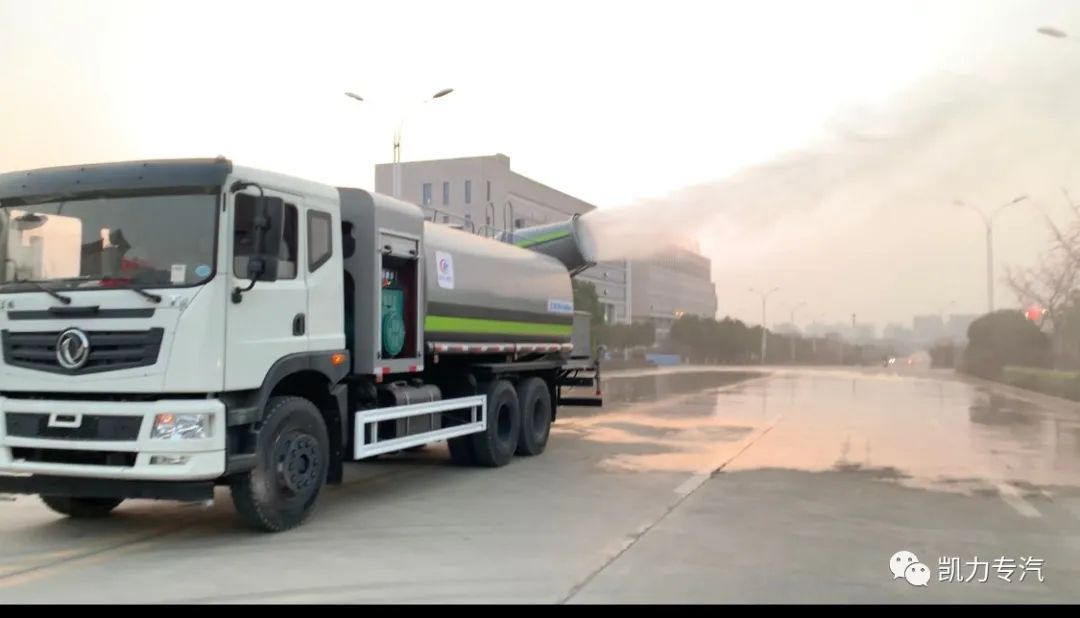
Kaili Zhuanqi Dongfeng D1L Green Sprinkler Truck
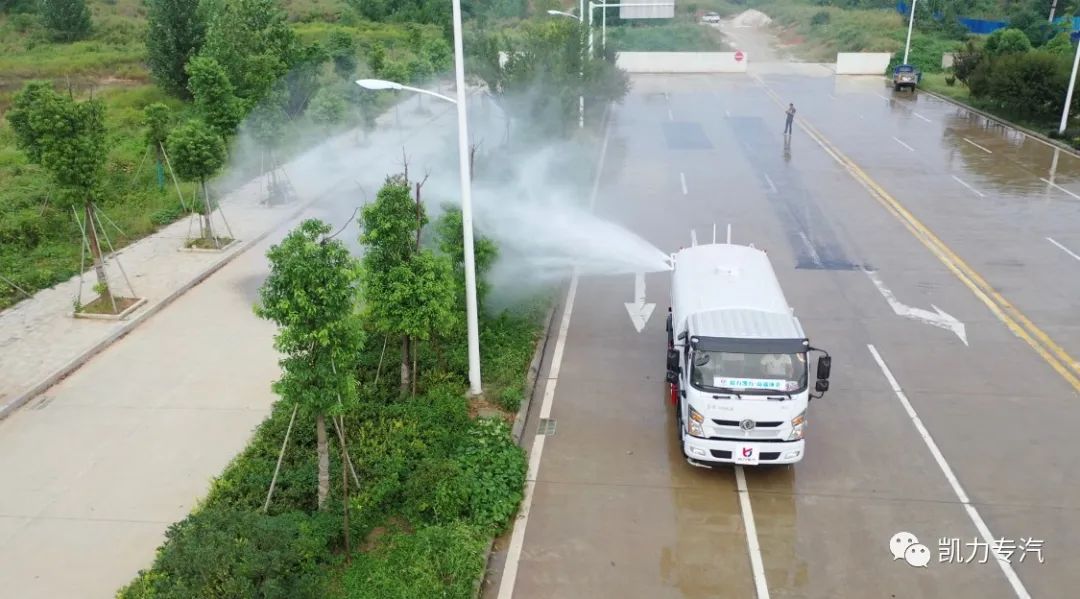
Disinfection And Sterilization Operation Of Kaili Special Automobile Dongfeng T5 Dust Suppression Vehicle
Disinfection Principle
The Main Component Of 84 Disinfectant Is Sodium Hypochlorite, With An Effective Fluorine Content Of 5.5% To 6.5%, Widely Used In Hygiene Disinfection. Sodium Hypochlorite Has Strong Oxidizing Properties And Can Hydrolyze To Form Hypochlorous Acid, Which Can Oxidize Reducing Substances And Ultimately Cause Microorganisms To Lose Their Function, Unable To Reproduce Or Infect.
The Sealing Components In The Waterway System Of Sanitation Vehicles Are Mainly Made Of Rubber Material, Which Is Organic And Can Be Oxidized And Deformed. Once Hypochlorous Acid Oxidizes Other Substances, It Can Generate Chloride Ions, Which Can Cause Intergranular Corrosion Of Stainless Steel (similar To Ordinary Stainless Steel That Is Not Resistant To Seawater Corrosion). In Addition, The Disinfectant Stored Inside The Tank Also Enhances The Conductivity Of Water, And Ordinary Steel Products, Especially Cast Iron, Are Particularly Prone To Electrochemical Corrosion.
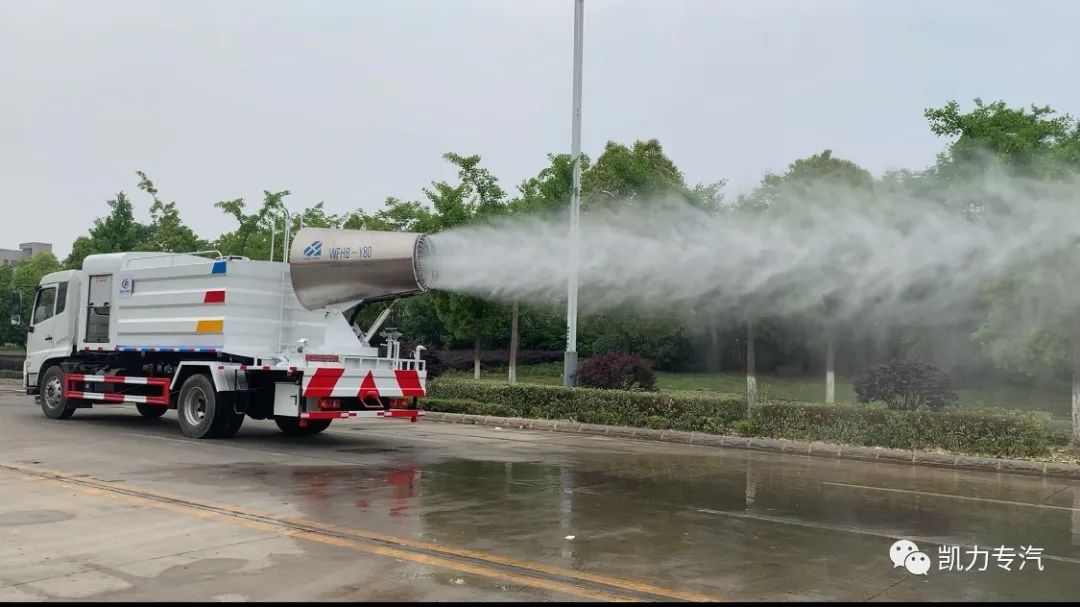
Disinfection And Sterilization Operation Of Kaili Special Auto Tianjin Dust Suppression Vehicle
In Summary, Vehicle Seals That Use Disinfectant For A Long Time Are Prone To Aging And Deformation, Increasing The Corrosion Rate And Thereby Weakening The Sealing Effect.
Operation Precautions
1. After Each Operation Of The Sanitation Truck, The Disinfectant In Each Pipeline Should Be Discharged Clean First.
2. Add About 1/2 Of The Water Level To The Tank And Let The Vehicle Run For Another 5 Minutes To Ensure That All Disinfectants In The Tank And Pipelines Are Drained.
3. If There Is Serious Water Leakage, Please Replace The Sealing Ring In A Timely Manner.
After The End Of The Epidemic, It Is Necessary To Uniformly Inspect And Maintain The Sanitation Vehicles Participating In Disinfection Operations. Focus On Inspecting And Cleaning The Rust Residue Inside The Tank, Replacing The Seals Of The Pipelines And Water Pumps, Checking The Sealing Performance Of The Ball Valves, And Replacing Them If Necessary. At The Same Time, Replace The Water Before Resuming Normal Cleaning Operations.