





【 Maintenance 】 National VI Vehicles Are Used Well, And Compliant Urea Cannot Be Omitted
In 2021, The National VI Standard Will Be Fully Implemented, And The Functions Of National VI Models Are More Diverse And The Corresponding Electrical Components Are More Complex. This Has Led To Some Cardholders Being Less Familiar With The Vehicles And Unable To Adapt To Them In A Timely Manner. In Addition, The Cost Of The National VI Vehicle After Treatment System Is Expensive. If The Vehicle Is "artificially Faulty" Due To Improper Use, It Is Easy To Cause Significant Losses.

In Order To Ensure The Normal Operation Of National VI Vehicles, The Requirements For Using Fuel And Urea Are Stricter. Using Unqualified Fuel And Urea Can Result In Limited Torque And Affect Normal Operation Of The Vehicle, Or Even Cause Post-processing Or Other Malfunctions. Maintenance Can Also Cause Significant Time And Money Losses. Cardholders Must Strictly Use Compliant Fuel And Urea To Jointly Maintain The "health" Of The Vehicle!
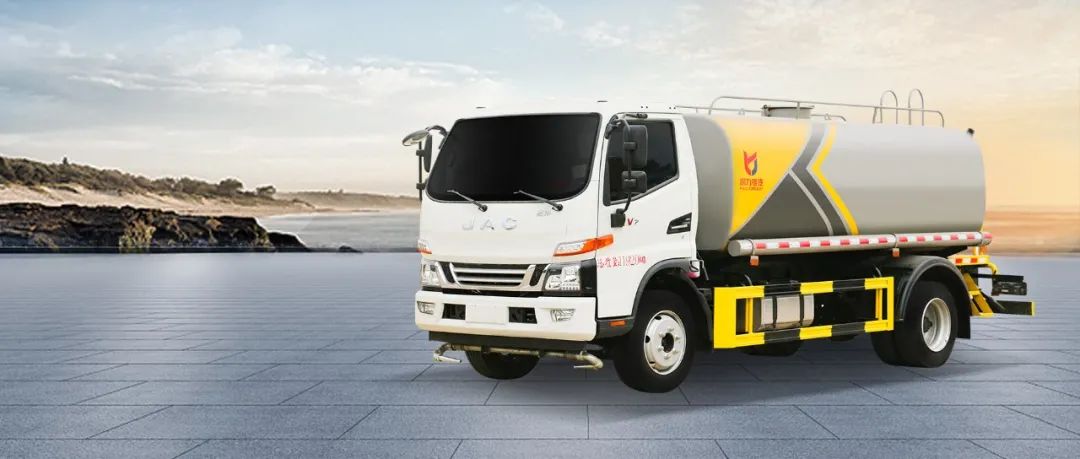
To Understand Why Fuel And Urea Are So Important, We First Need To Understand Several Important Components Of The National VI Aftertreatment System And Their Functions.
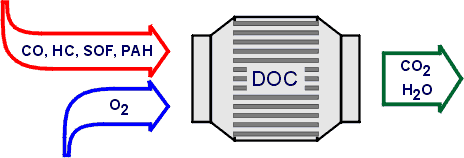
DOC: Oxidation Catalyst
Convert NO In Exhaust Gas Into NO2 To Generate Strong Oxidants For DPF Regeneration. Oxidation (combustion) Of Hydrocarbons (diesel) Entering The DOC Generates Heat, Providing A High-temperature Environment For DPF Regeneration And Oxidizing HC Compounds Emitted From Engine Combustion.
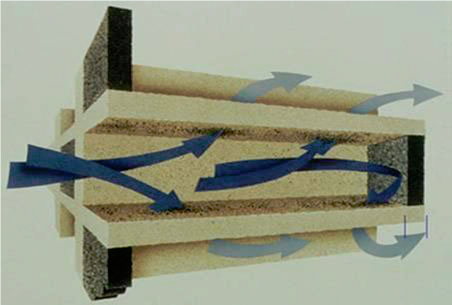
DPF: Particle Filter
Convert NO In Exhaust Gas Into NO2 To Generate Strong Oxidants For DPF Regeneration. Oxidation (combustion) Of Hydrocarbons (diesel) Entering The DOC Generates Heat, Providing A High-temperature Environment For DPF Regeneration And Oxidizing HC Compounds Emitted From Engine Combustion.
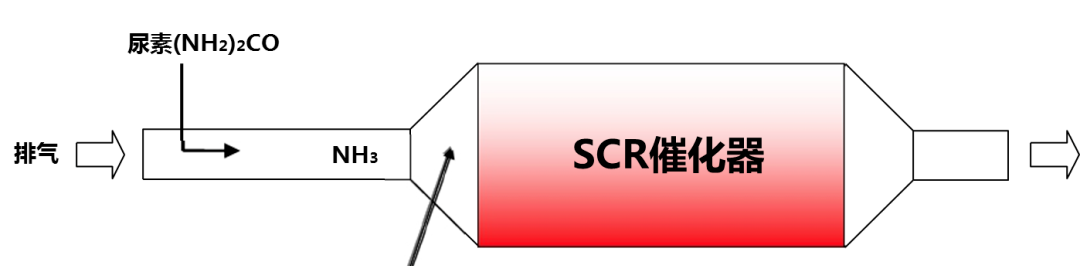
SCR: Selective Catalytic Reduction
Convert Nitrogen Oxides In The Exhaust Into Nitrogen And Water
SCR: Selective Catalytic Reduction
Convert Nitrogen Oxides In The Exhaust Into Nitrogen And Water
Why Do National VI Vehicles Need To Use Qualified Urea
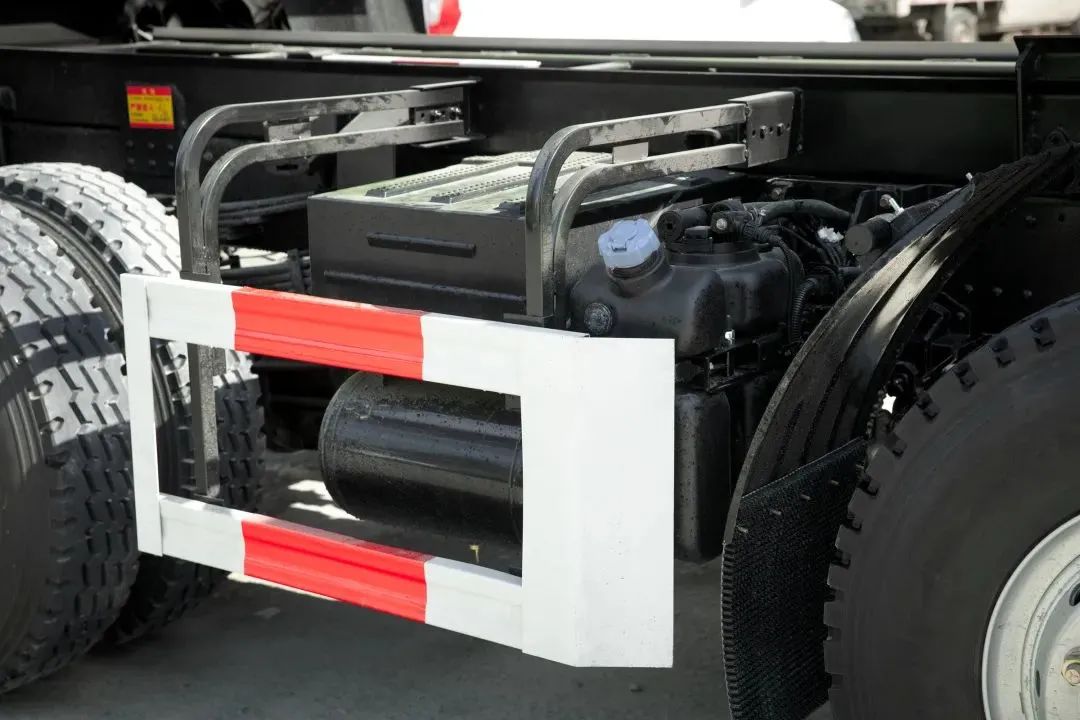
Automotive Urea Is A Necessary Reactant For The Post-treatment System To Achieve Its Functions. Poor Quality Urea Solution Can Bring Many Hazards To Vehicles, And Impurities Can Also Cause Blockages In The Urea System, Resulting In Vehicle Torque And Speed Limits.
What Is Automotive Urea
Automotive Urea, Also Known As Automotive Exhaust Treatment Fluid AUS32。 It Is A 32.5% High-purity Urea Aqueous Solution, Mainly Composed Of "deionized Water+high-purity Urea". The Freezing Point Of Automotive Urea Is -11 ° C, So In High-altitude Areas, Urea Freezing May Occur.
The Hazards Of Using Substandard Urea
The Concentration Does Not Meet The Standard
OBD Alarm Limits Torque And Speed. National VI Vehicles Are Equipped With A "urea Quality Sensor" In The Urea Tank, Which Detects The Density Of Urea Solution Through Ultrasonic Waves. Exceeding The Limit Triggers OBD And DWL Alarms, And The Vehicle Limits Torque And Speed.
Excessive Impurities
Blockage Of The Urea Pump Can Cause Valve Blockage And Inability To Build Pressure, Blockage Of The Urea Nozzle, Poor Spray Atomization, And Easy Accumulation Of Crystals After Injection Into The Gas Pipe. Metal Impurities In The Unqualified Urea Solution Can Lead To Permanent Poisoning Of The SCR Catalyst, Resulting In A Decrease In The Efficiency Of The SCR Catalytic Converter.
Precautions For Using Automotive Urea
Suggest Purchasing Automotive Urea From Legitimate Channels; The Storage Time For Automotive Urea Is Usually 18 Months, And It Is Recommended To Control The Storage Temperature Between -5 ° C And 25 ° C. High Temperatures May Cause Water Evaporation In The Treatment Solution, Increasing The Concentration Of The Solution; Before Adding Urea To The Vehicle, Clean The Urea Tank Mouth And Filling Tools To Prevent Impurities From Entering The Urea Tank.
Compared To The National V Emission Models, The National VI Emission Models Are More Expensive, Especially In Terms Of Exhaust After Treatment Systems, Which Require Us To Take Care Of Them Carefully. Although The Maintenance Cost Is High, It Is Also To Ensure That The Vehicle Can Function Stably And Reliably, Creating Greater Revenue For Transportation.