





【 Maintenance Tips 】 Kailifeng Fire Truck "Warm" Winter Guide
A Cold Winter
Under Low-temperature Freezing Conditions
To Ensure The Normal Use Of The Fire Truck
Always Pay Attention To The Insulation Work Of Fire Trucks
In Order To Safely Weather The Cold Winter
In Addition To Timely Discharging The Water Pump After Use
Prevent Freezing And Cracking Of Residual Water Inside The Pipeline
The Following Usage Guidelines Should Also Be Followed
Ensure That Fire Trucks Stay Warm During Winter
01- Check The Engine Oil
When Winter Comes, The Temperature Drops Sharply, With Some Areas In The North Even Dropping Below Minus 20 Degrees Celsius. Engine Oil Becomes More Viscous At Such Low Temperatures Than In Summer, Resulting In Slower Fluidity And Weaker Power And Increased Fuel Consumption.
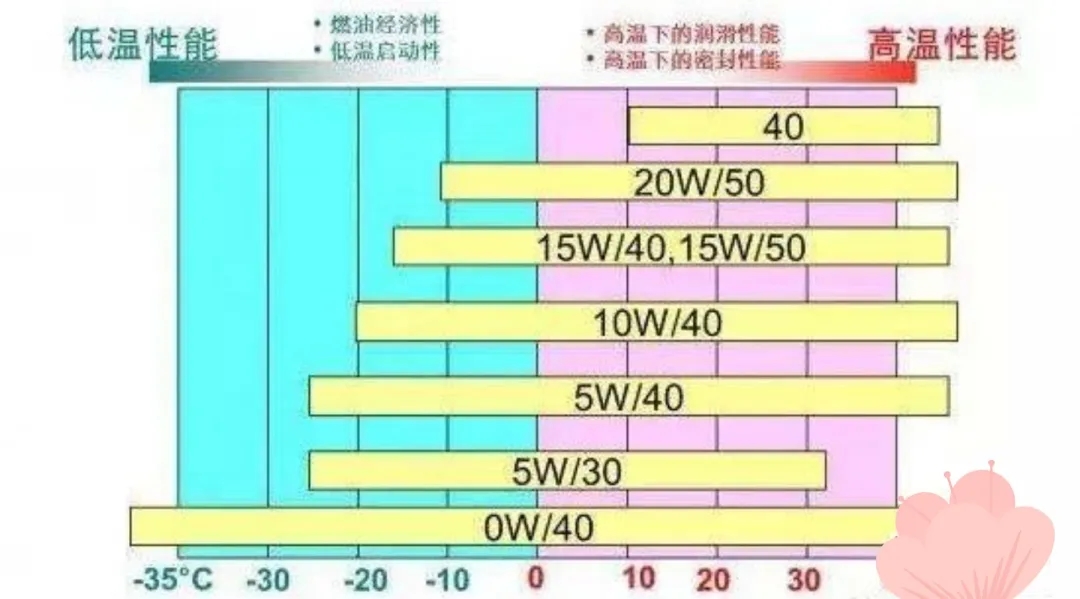
Engine Oil Is The Key To Determining Engine Performance And Lifespan, Known As The "blood" Of Automobiles. Engine Oil Mainly Plays A Role In Reducing Piston Friction, Assisting In Lowering Engine Temperature, Rust And Corrosion Prevention In The Engine. So, Before Winter Arrives, It Is Necessary To Check The Oil Level Of The Fire Truck And Whether The Oil Used Meets The Local Temperature Conditions.
02- Add Fuel With The Correct Grade
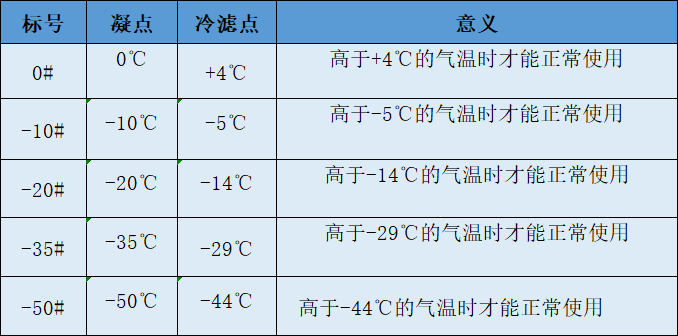
Most Fire Trucks Are Equipped With Diesel Engines. When Refueling In Winter, It Is Also Necessary To Choose The Appropriate Fuel Grade Based On Local Temperature Conditions And Try To Refuel With High-grade Diesel As Much As Possible To Prevent Sudden Temperature Drops From Causing Diesel Icing And Affecting Vehicle Use.
03- Pay Attention To Battery Level
Batteries Are Sensitive To Cold, And The Performance Of Batteries Can Also Be Affected By Low Temperatures In Winter. Therefore, Drivers Must Develop A Good Habit Of Constantly Monitoring Their Battery Level.

Try Not To Use High-power Inverters To Charge Laptops And Other Devices On The Fire Truck During Cold Start; Turn Off The Power Of All Electrical Equipment On The Fire Truck (headlights, Police Lights, Radio, Etc.) When Parked; The Optimal Lifespan Of A Battery Is 2-3 Years. Batteries That Continue To Be Used Beyond Their Lifespan Should Be Regularly Inspected And Preferably Replaced.
04- Clean The Air Conditioner
In Summer, When Cold Air Is Turned On, Water Condenses Inside The Air Conditioner To Breed Bacteria. In Winter, When The Air Conditioner Switches From Cooling To Heating, It Will Emit An Unpleasant Odor. Therefore, It Is Necessary To Clean The Air Conditioner In A Timely Manner.

Engine Oil Is The Key To Determining Engine Performance And Lifespan, Known As The "blood" Of Automobiles. Engine Oil Mainly Plays A Role In Reducing Piston Friction, Assisting In Lowering Engine Temperature, Rust And Corrosion Prevention In The Engine. So, Before Winter Arrives, It Is Necessary To Check The Oil Level Of The Fire Truck And Whether The Oil Used Meets The Local Temperature Conditions.
05- Check Tire Pressure
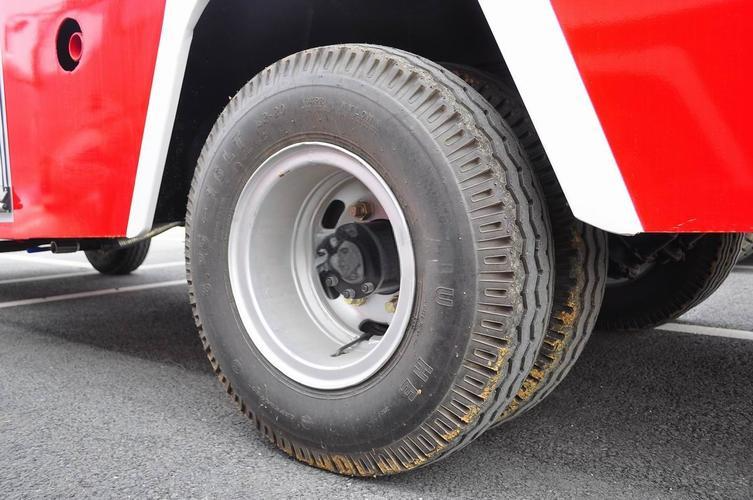
In Winter, The Temperature Is Low And Tire Pressure May Decrease To Varying Degrees. Therefore, It Is Necessary To Increase The Frequency Of Inspections To Ensure That The Tires Do Not Have Any Problems. Fire Truck Tires Have A Large Volume And Quantity. If It Is Not Possible To Replace Tires At Any Time According To Environmental Changes, It Is Necessary To Regularly Check The Tire Pressure.
-
The 'perpetual Motion Machine' Is Activated! Kaili After-sales Service Enables Customers T
2025-11-25
-

【 Zhuanqi News 】 It's Hot! Suizhou Intelligent Manufacturing Dominates The Screen In Beijing, A
2025-11-20
-

【 Overseas Recruitment 】 Kaili Automobile Group Overseas KD Factory Social Recruitment Notice!
2025-11-03