



【 Epidemic Prevention Column 】 Kaili Zhuanqi's' Internal Epidemic Prevention Reference Man
Unite As One To Fight Against Pneumonia



1、 Knowledge Of Workplace Protection In Enterprises
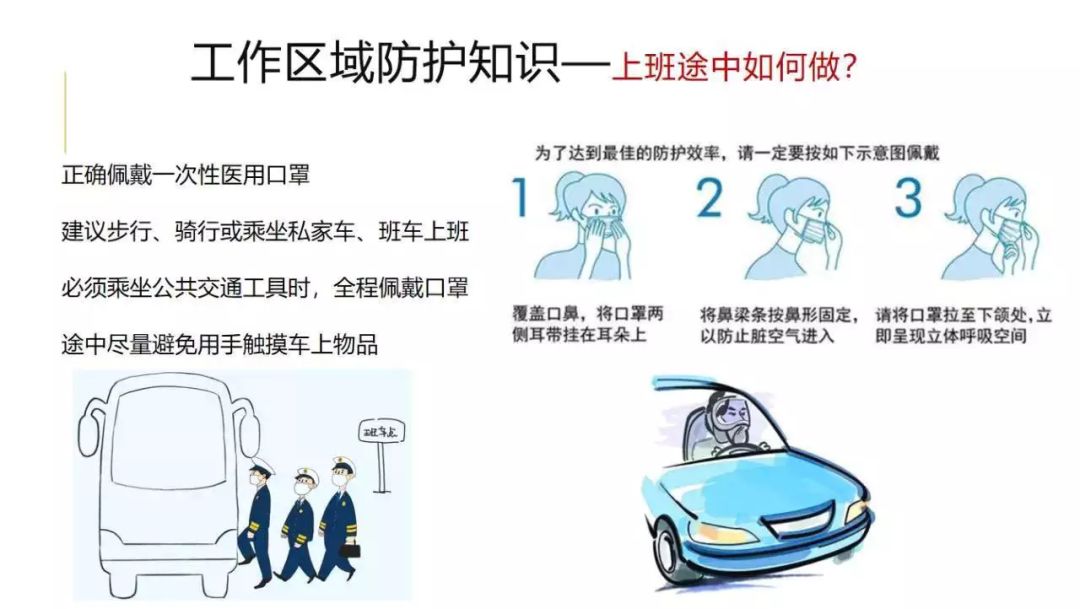
1. How To Do It On The Way To Work
Wear Disposable Medical Masks Correctly. Try Not To Take Public Transportation As Much As Possible. It Is Recommended To Walk, Ride, Or Take Private Cars Or Shuttle Buses To Work. If It Is Necessary To Take Public Transportation, Be Sure To Wear A Mask Throughout The Entire Journey And Try To Avoid Touching Items On The Vehicle With Your Hands As Much As Possible.
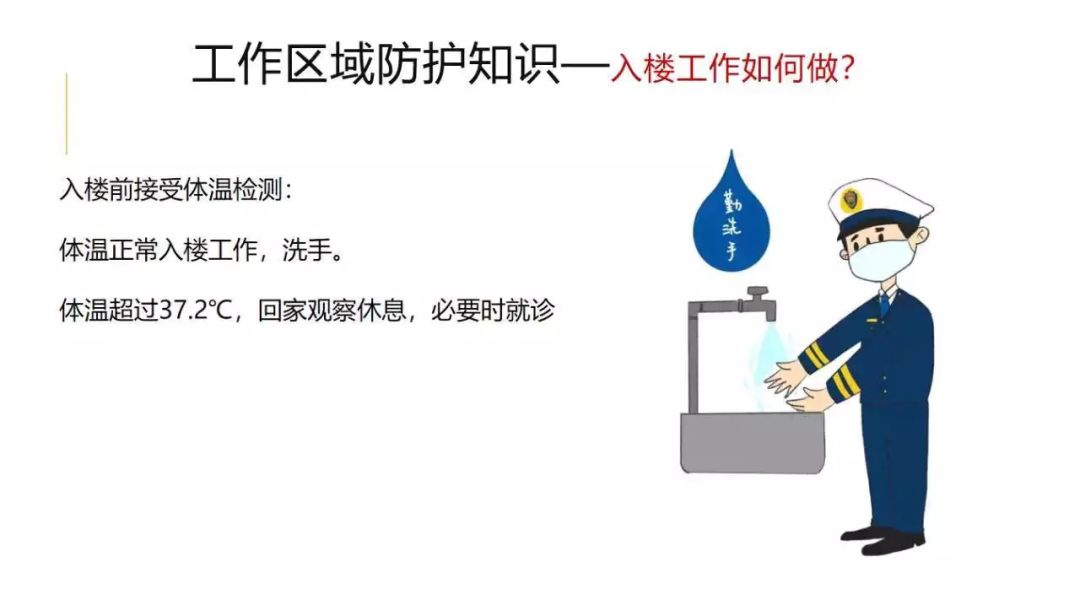
2. How To Do The Work Of Entering The Building
Before Entering The Office Building, Please Voluntarily Undergo A Temperature Check. If Your Temperature Is Normal, You Can Enter The Building For Work And Wash Your Hands In The Bathroom. If The Body Temperature Exceeds 37.2 ℃, Do Not Enter The Building For Work And Go Home To Observe And Rest. If Necessary, Seek Medical Attention At The Hospital.
3. How To Do Indoor Office Work
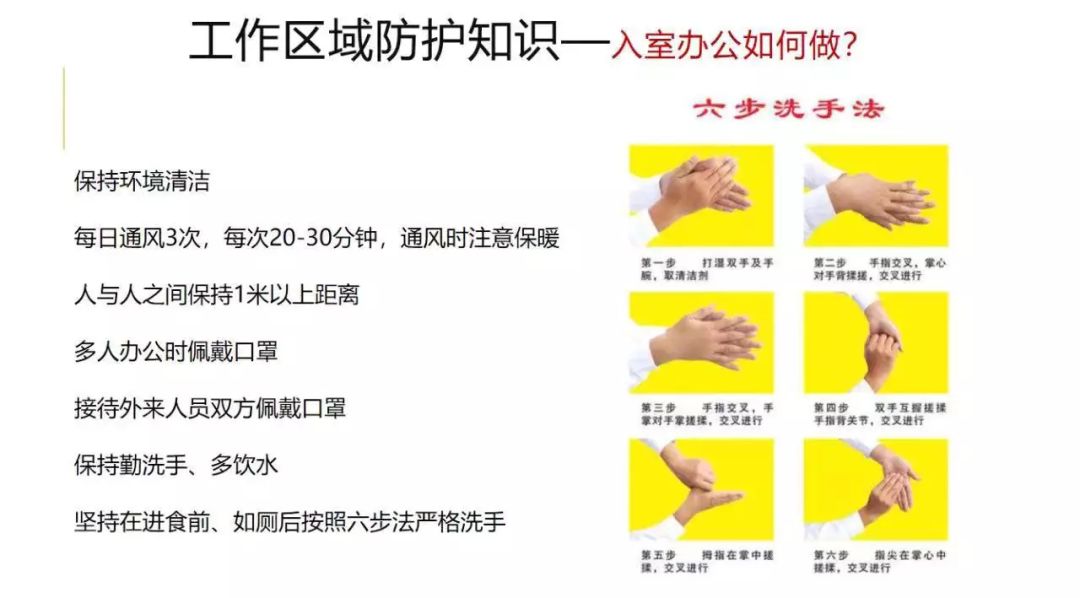
Keep The Office Environment Clean, It Is Recommended To Ventilate Three Times A Day For 20-30 Minutes Each Time, And Pay Attention To Keeping Warm During Ventilation. Maintain A Distance Of At Least 1 Meter Between People And Wear Masks When Working With Multiple People. Maintain Frequent Hand Washing, Drink Plenty Of Water, And Strictly Wash Hands According To The Six Step Method Before Eating And After Using The Restroom. Both Parties Should Wear Masks When Receiving External Personnel.
4. How To Attend A Meeting
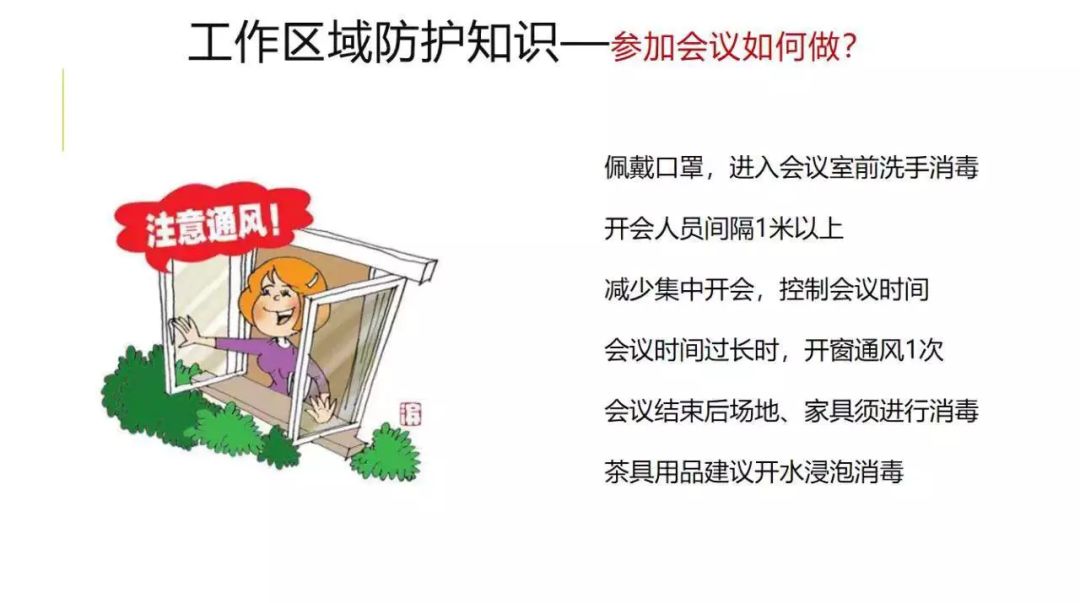
It Is Recommended To Wear A Mask And Wash And Disinfect Hands Before Entering The Conference Room. The Meeting Personnel Are Spaced At Least 1 Meter Apart. Reduce Centralized Meetings, Control Meeting Time, And Open Windows For Ventilation Once When The Meeting Time Is Too Long. After The Meeting, The Venue And Furniture Must Be Disinfected. It Is Recommended To Soak Tea Utensils In Boiling Water For Disinfection.
5. How To Prepare Meals In The Cafeteria
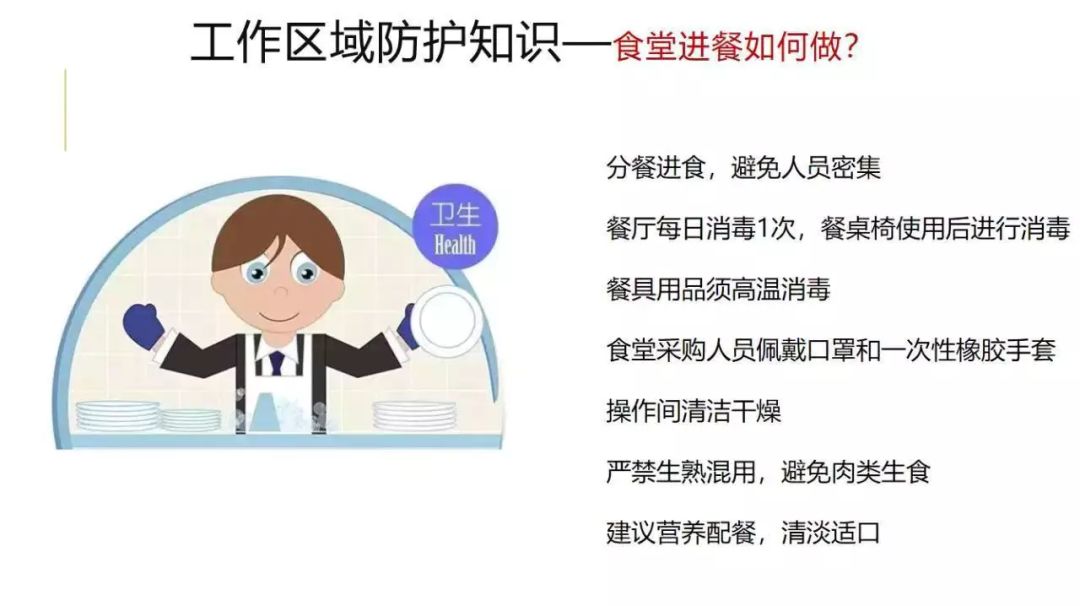
Adopt Separate Meals To Avoid Crowded Crowds. The Restaurant Is Disinfected Once A Day, And The Dining Tables And Chairs Are Disinfected After Use. Tableware Must Be Disinfected At High Temperatures. Keep The Operating Room Clean And Dry, Strictly Prohibit The Mixing Of Raw And Cooked Food Products, And Avoid Consuming Raw Meat. Suggested Nutritious Meal Pairing, Light And Palatable.
6. How To Do It On The Way Home From Work
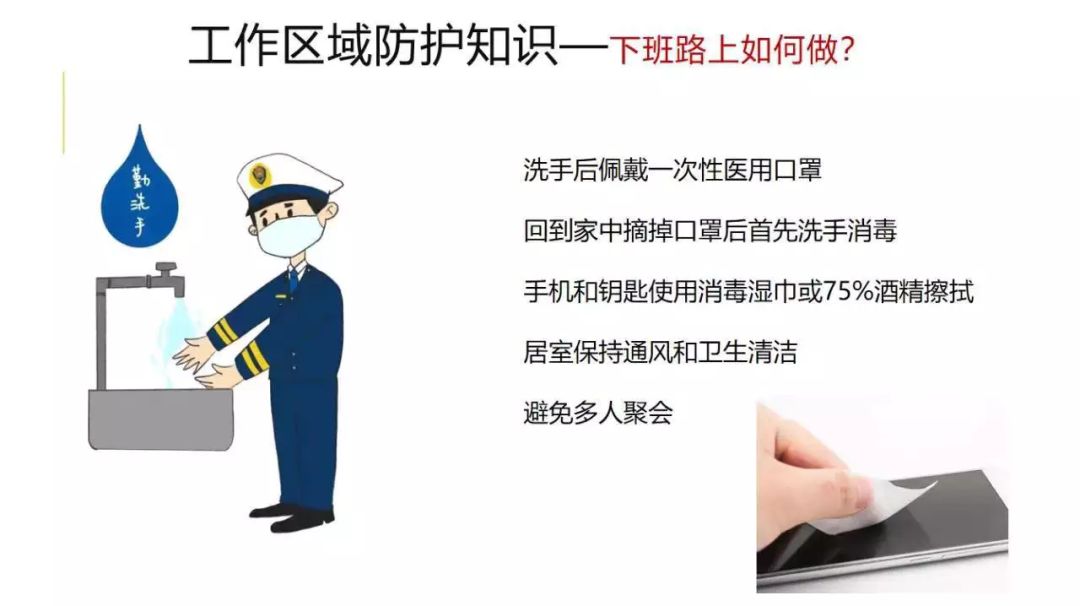
After Washing Hands, Wear A Disposable Medical Mask When Going Out. After Returning Home, Remove The Mask And First Wash Your Hands And Disinfect. Wipe Your Phone And Keys With Disinfectant Wipes Or 75% Alcohol. Maintain Ventilation And Cleanliness In The Living Room, And Avoid Gatherings With Multiple People.
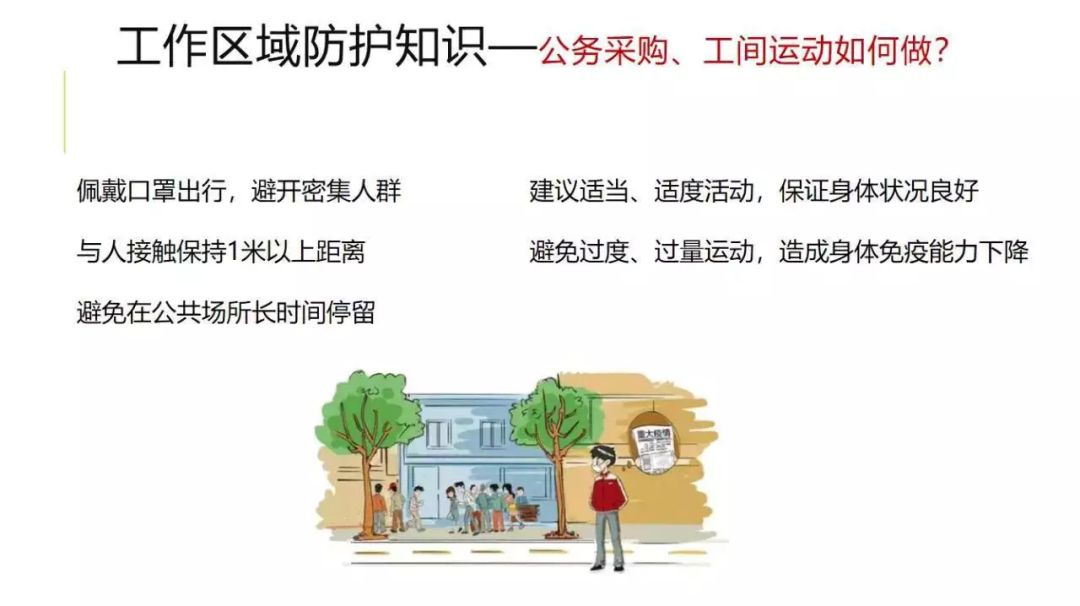
7. How To Do Official Procurement
Wear A Mask When Traveling And Avoid Crowded Areas. Maintain A Distance Of At Least 1 Meter From People And Avoid Prolonged Stays In Public Places.
8. How To Do Workplace Sports
Suggest Appropriate And Moderate Activity To Ensure Good Physical Condition. Avoid Excessive Exercise, Which Can Lead To A Decrease In The Body's Immune System.
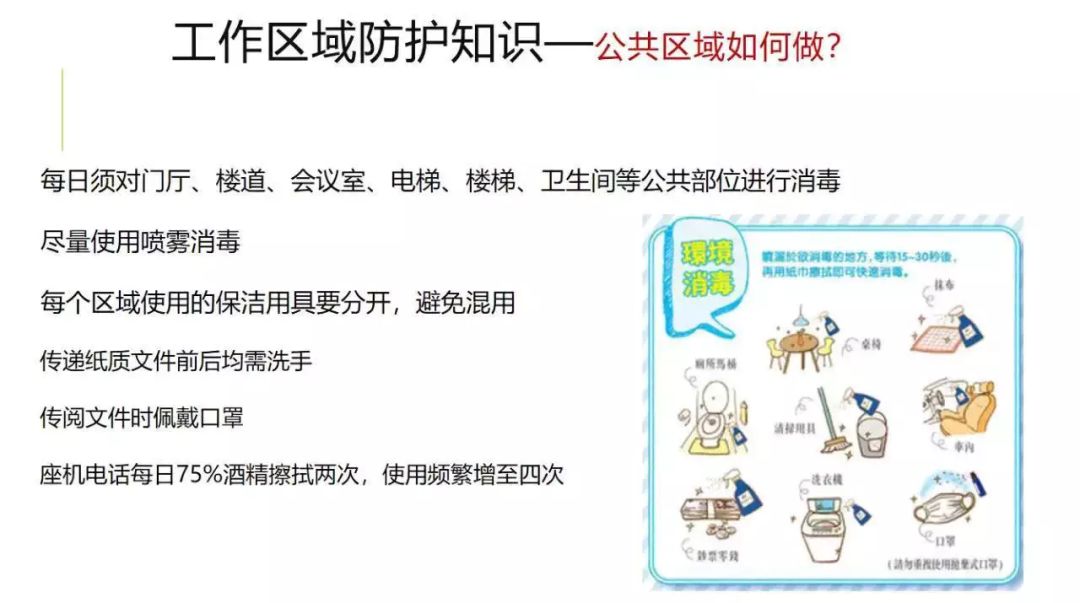
9. How To Do Public Areas
The Lobby, Corridor, Meeting Room, Elevator, Staircase, Toilet And Other Public Parts Must Be Disinfected Every Day, And Spray Disinfection Shall Be Used As Far As Possible. The Cleaning Tools Used In Each Area Should Be Separated To Avoid Mixing.
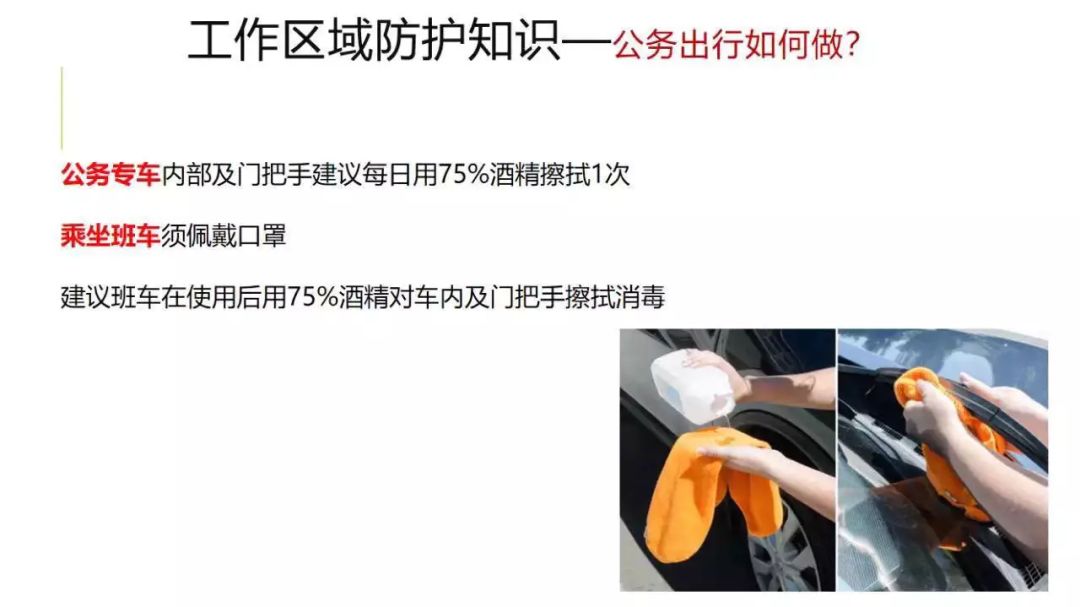
10. How To Do Official Travel
It Is Recommended To Wipe The Interior And Door Handles Of The Private Car Once A Day With 75% Alcohol. Wearing A Mask Is Required When Taking The Shuttle Bus. It Is Recommended To Wipe And Disinfect The Interior And Door Handles With 75% Alcohol After Use.
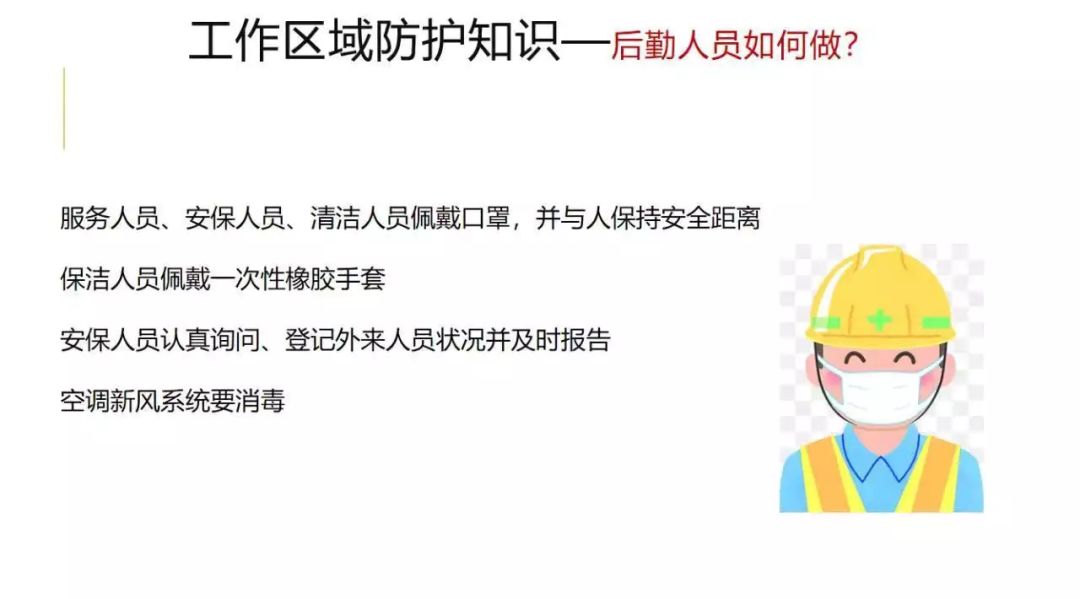
11. How Do Logistics Personnel Do It
Service Personnel, Security Personnel, And Cleaning Personnel Must Wear Masks And Maintain A Safe Distance From Others While Working. Canteen Procurement Personnel Or Supply Personnel Must Wear Masks And Disposable Rubber Gloves To Avoid Direct Contact With Meat, Poultry, And Fresh Materials. After Removing Gloves, They Should Wash Their Hands And Disinfect Them In A Timely Manner. Cleaners Must Wear Disposable Rubber Gloves While Working And Wash Their Hands And Disinfect Them After Work. Security Personnel Must Wear Masks When Working, And Carefully Inquire And Register The Situation Of External Personnel. Any Abnormal Situations Should Be Reported In A Timely Manner.
12. How To Conduct Official Visits
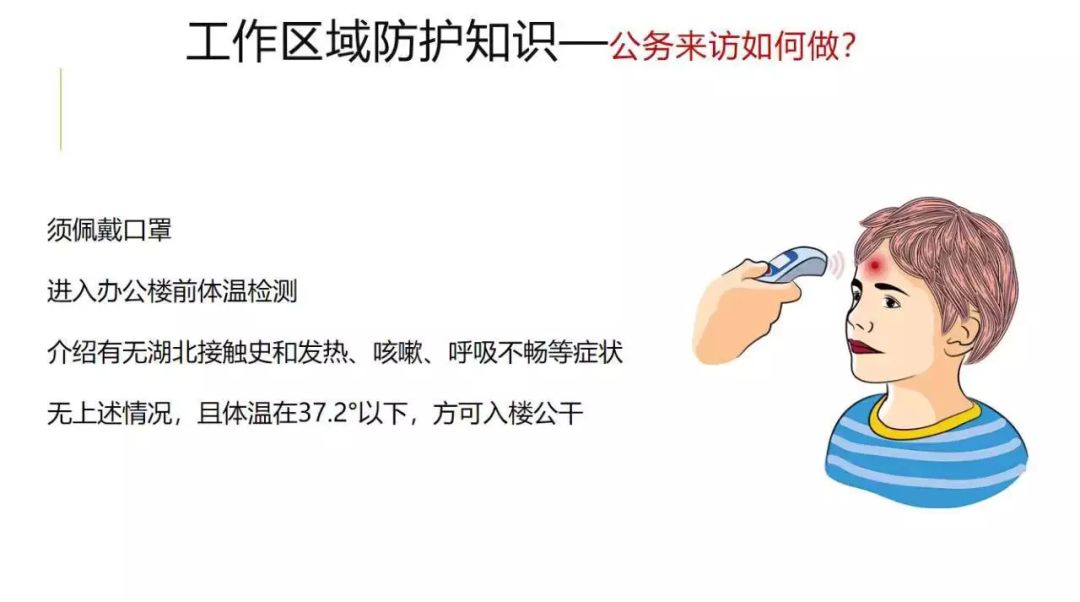
Masks Must Be Worn. Before Entering The Office Building, First Undergo A Temperature Check And Introduce Whether There Is A History Of Contact With Wuhan And Symptoms Such As Fever, Cough, And Respiratory Distress. Only When There Is No Such Situation And The Body Temperature Is Under Normal Conditions Of 37.2 ° C, Can One Enter The Building For Business Purposes.
13. How To Circulate Documents
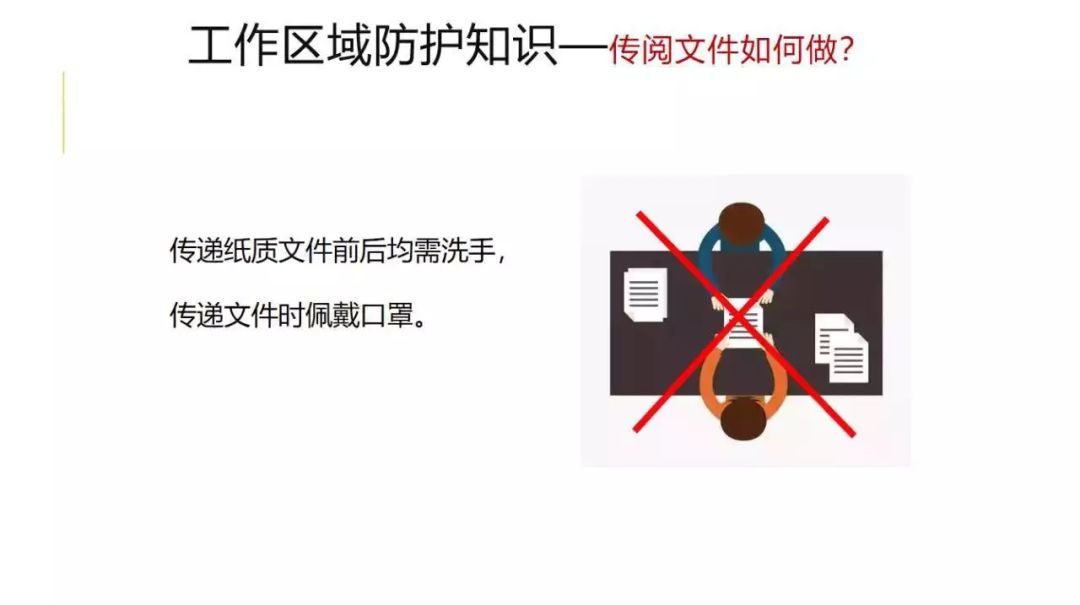
Wash Hands Before And After Transferring Paper Documents, And Wear A Mask When Circulating Documents.
14. How To Do Telephone Disinfection
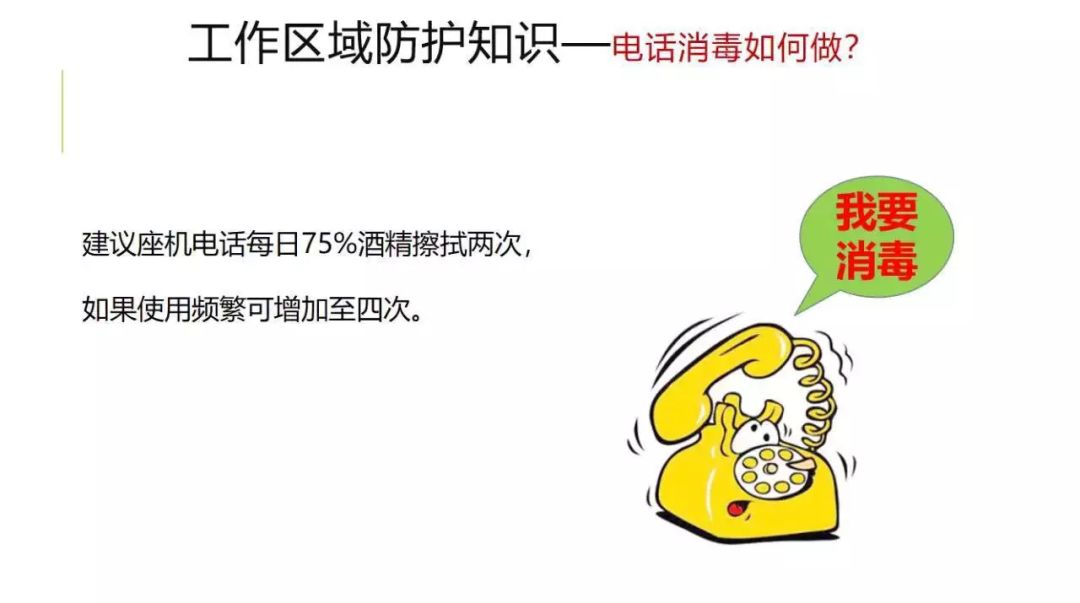
Suggest Wiping Landline Phones Twice A Day With 75% Alcohol, And Increasing To Four Times If Used Frequently.
15. How To Do Air Conditioning Disinfection
(1) When The Fan Coil Unit Of The Central Air Conditioning System Is In Normal Use, The Air Supply And Return Ports Should Be Disinfected Regularly.
(2) When The Central Air Conditioning Fresh Air System Is In Normal Use, If There Is An Epidemic, Do Not Stop The Fan Operation. After Personnel Evacuate, Close The Exhaust Branch Pipe, Turn Off The Fresh Air Exhaust System After Running For A Period Of Time, And Disinfect It At The Same Time.
(3) The All Air System With Return Air Should Completely Seal Off The Return Air To Ensure That The System Operates With Fresh Air.
16. How To Dispose Of Discarded Masks
During The Epidemic Prevention Period, Do Good Hand Hygiene Before And After Removing Masks, Put Discarded Masks In The Trash Can, And Disinfect The Trash Can Twice A Day With 75% Alcohol Or Chlorine Containing Disinfectant.
2、 Personal Protective Knowledge
(1) Hand Washing Section
1. How To Protect Yourself From The Pneumonia Infection Of Novel Coronavirus?
(1) Wash Hands Frequently. Wash Hands With Soap Or Hand Sanitizer And Running Water, And Wipe Hands With Disposable Tissues Or Clean Towels. Hands Should Be Washed Immediately After Contact With Respiratory Secretions (such As After Sneezing).
(2) Maintain Good Respiratory Hygiene Habits. When Coughing Or Sneezing, Cover Your Mouth And Nose With Tissues, Towels, Etc. Wash Your Hands After Coughing Or Sneezing, And Avoid Touching Your Eyes, Nose, Or Mouth With Your Hands.
(3) Enhance Physical Fitness And Immunity. Maintain A Balanced Diet, Moderate Exercise, And A Regular Schedule To Avoid Excessive Fatigue.
(4) Keep The Environment Clean And Ventilated. Open Windows For Ventilation No Less Than 3 Times A Day, For 20-30 Minutes Each Time. When The Outdoor Air Quality Is Poor, The Frequency And Time Of Ventilation Should Be Appropriately Reduced.
(5) Try To Minimize Activities In Crowded Places And Avoid Contact With Patients With Respiratory Infections.
(6) If Respiratory Infection Symptoms Such As Cough, Runny Nose, Fever, Etc. Occur, One Should Isolate And Rest At Home. If The Fever Persists Or The Symptoms Worsen, Seek Medical Attention As Soon As Possible.
2. The Role Of Hand Washing In Preventing Respiratory Diseases?
Proper Hand Washing Is One Of The Most Effective Measures To Prevent Diarrhea And Respiratory Infections. Authoritative Institutions Such As The National Center For Disease Control And Prevention, WHO, And CDC Recommend Washing Hands Thoroughly With Soap And Water (running Water).
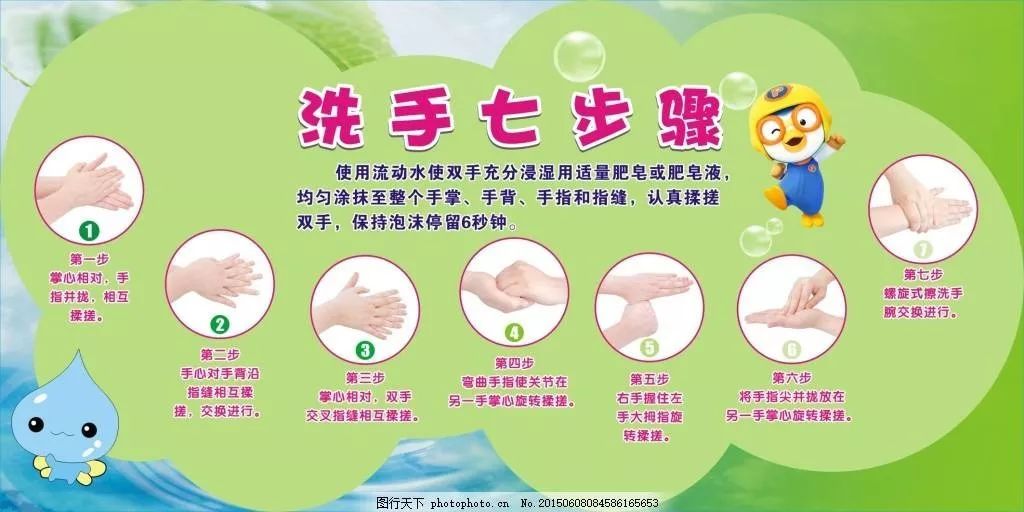
3. Proper Hand Washing Requires Mastering Six Steps Of Washing Techniques:
Step One, Rub The Palms Of Both Hands Together (rub Hands Together Ten Times And Five Times)
Step 2: Cross Your Hands And Rub The Gaps Between Your Fingers (palms Facing The Back Of Your Hands, Hands Crossed And Folded, And Your Left And Right Hands Exchanged And Rubbed Five Times Each)
Step 3: Rub Your Hands Between Your Palms And Your Fingertips (with Your Palms Facing Each Other And Your Fingers Interlocked, Rub Five Times)
Step 4: Rub Your Palms With Fingertips, Both Hands Are The Same (place Fingertips On Your Palms And Rub Them Together Five Times)
Step 5: Hold The Thumb Of The Other Hand With One Hand And Rub It Together. Rub The Left And Right Hands Together Five Times
Step 6: Bend Your Fingers To Rotate And Rub The Joints In The Palm Of The Other Hand, Then Switch And Rub Five Times Each.
4. When Do I Need To Wash My Hands?
(1) Before And After Transferring Files
(2) After Coughing Or Sneezing
(3) Before, During, And After The Preparation Of Food
(4) Before Eating
(5) After Using The Restroom
(6) When Hands Are Dirty
(7) After Interacting With Others
(8) After Coming Into Contact With Animals
(9) After Returning From Going Out
5. What Should I Do If I Don't Have Clean Water While Traveling And It's Inconvenient To Wash My Hands?
Alcoholic Disinfectant Products Can Be Used To Clean Hands. The Human Coronavirus Is Not Resistant To Acid Or Alkali, And Is Sensitive To Organic Solvents And Disinfectants. 75% Alcohol Can Inactivate Viruses, So Disinfecting Products Containing Alcohol At A Certain Concentration Can Be Used As An Alternative To Soap And Running Water For Hand Washing.
(2) Mask Article
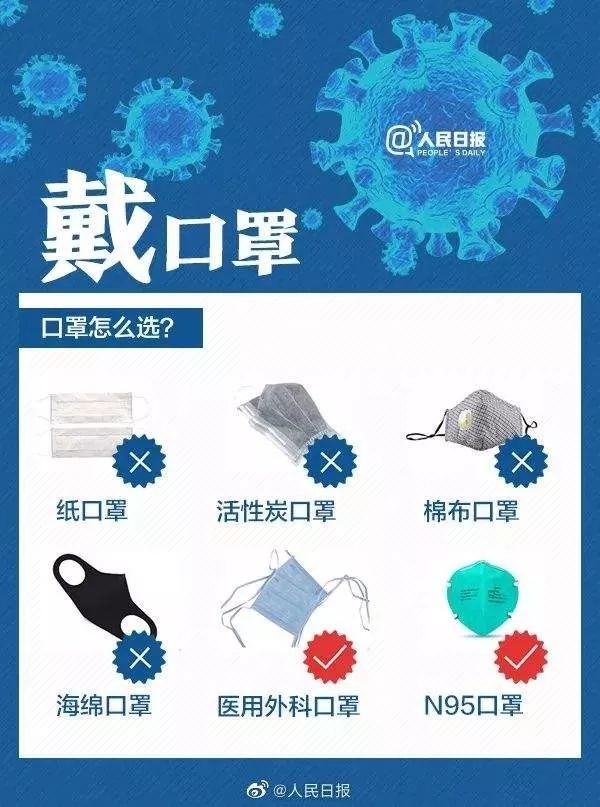
1. How To Choose A Mask?
Option 1: Disposable Medical Mask, Wear Continuously For 4 Hours And Replace Immediately After Contamination Or Moisture;
Option 2: N95 Medical Protective Mask, Wear Continuously For 4 Hours And Replace Immediately After Contamination Or Moisture.
Cotton Masks And Sponge Masks Are Not Recommended.
2. Correct Usage Of Masks:
(1) The Darker Color Of The Mask Is On The Front, Which Should Face Outward, And There Is Also A Nose Clip Metal Strip On The Medical Mask.
(2) The Side Facing The Face Should Be The Back Of The Medical Mask, Which Is The Lighter Colored Side. In Addition, It Is Important To Note That The Part With The Metal Strip Should Be Above The Mask And Not Worn Backwards.
(3) After Distinguishing The Front, Back, Top, And Bottom Of The Mask, Wash Your Hands Thoroughly To Ensure That The Mask Is Correct, And Then Hang The Ropes At Both Ends On Your Ears.
(4) The Last Step, Which Is Also The Metal Strip Issue Mentioned Earlier, Is To Use Both Hands To Press The Metal Strips On Both Sides Of The Nose Bridge Tightly After Wearing The Mask, So That The Upper End Of The Mask Is Close To The Nose Bridge, And Then Stretch The Mask Downwards To Leave No Wrinkles, Preferably Covering The Nose And Mouth.
3. How Should Special Groups Wear Masks?
(1) Pregnant Women Wearing Protective Masks Should Pay Attention To Their Own Conditions And Choose Products With Better Comfort.
(2) Wearing It May Cause Discomfort And Even Worsen The Existing Condition For Elderly People And Patients With Chronic Heart And Lung Diseases. They Should Seek Professional Guidance From A Doctor.
(3) Children Are In The Stage Of Growth And Development, And Their Face Shape Is Small, So They Should Choose Children's Protective Masks.
3、 Home Protection Knowledge
1. How To Prevent The Infection Of Novel Coronavirus Pneumonia At Home?
(1) Enhancing Hygiene And Health Awareness, Moderate Exercise, Ensuring Sleep, And Avoiding Staying Up Late Can Improve One's Immune System;
(2) Maintain Good Personal Hygiene Habits, Cover Your Mouth And Nose With A Tissue When Coughing Or Sneezing, Wash Your Hands Thoroughly Regularly, And Avoid Touching Your Eyes, Nose, Or Mouth With Dirty Hands;
(3) Ensure Adequate Ventilation And Maintain Cleanliness And Hygiene In The Living Room;
(4) Try To Avoid Close Contact With People With Respiratory Symptoms Such As Fever, Cough, Or Sneezing As Much As Possible;
(5) Try To Avoid Crowded And Enclosed Places, Such As Wearing Masks If Necessary;
(6) Avoid Contact With Wild Animals And Poultry And Livestock;
(7) Adhere To Safe Eating Habits And Cook Meat And Eggs Thoroughly;
(8) Pay Close Attention To Symptoms Such As Fever And Cough, And Seek Medical Attention Promptly If Such Symptoms Occur.
2. How Can We Eat When The Pneumonia Infected By Novel Coronavirus Is Prevalent?
(1) Do Not Consume Animals And Their Products That Have Already Fallen Ill; To Purchase Chilled Poultry Meat From Legitimate Channels, It Is Necessary To Fully Cook The Poultry Meat, Eggs, And Milk When Consuming Them.
(2) Separate Cutting Boards And Knives For Handling Raw And Cooked Food. Wash Hands Between Handling Raw And Cooked Food.
(3) Even In Areas Where Outbreaks Occur, Meat Can Still Be Safely Consumed If Thoroughly Cooked And Properly Handled During Food Preparation.
3. How To Prevent Novel Coronavirus Infection In Public Places?
(1) Avoid Contact With Farm Livestock Or Wild Animals Without Proper Protection.
(2) Maintain Continuous Ventilation And Air Exchange Indoors In The Workplace; In Densely Populated Areas Such As Shopping Malls, Buses, Subways, And Airplanes, It Is Recommended To Wear Masks To Reduce The Risk Of Exposure To Pathogens.
(3) When Coughing Or Sneezing, Cover Your Nose Completely With A Tissue, Sleeve, Or Elbow; Immediately Throw The Used Tissues Into The Enclosed Garbage Bin; After Coughing And Sneezing, Wash Your Hands With Soap And Water Or Alcohol Based Hand Sanitizer.
(4) Wash Your Hands Promptly After Going Out And Returning Home. If You Experience Fever Or Other Respiratory Infection Symptoms, Especially If The Fever Persists, Seek Medical Attention Promptly.
(5) During The Epidemic Season Of Infectious Diseases, Various Gatherings Should Be Avoided As Much As Possible.
4. How To Prevent The Infection Of Novel Coronavirus Pneumonia When Purchasing In The Fresh Market?
(1) Wash Hands With Soap And Water After Coming Into Contact With Animals And Animal Products;
(2) Avoid Touching Eyes, Nose, And Mouth;
(3) Avoid Contact With Sick Animals And Diseased Meat;
(4) Avoid Contact With Stray Animals, Garbage, And Wastewater In The Market.
5. Home Isolation Recommendations For Mild Fever Cases:
(1) Place The Patient In A Well Ventilated Single Room.
(2) Limit The Number Of Caregivers And Try To Arrange For One Person With Good Health And No Chronic Diseases To Provide Care. Refuse All Visits.
(3) Family Members Should Live In Different Rooms, And If Conditions Do Not Allow, Maintain A Distance Of At Least 1 Meter From The Patient.
(4) Limit Patient Activities And Minimize Shared Areas For Patient And Family Members' Activities. Ensure Good Ventilation In Shared Areas (kitchen, Bathroom, Etc.) By Opening Windows.
(5) Caregivers And Patients Should Wear Masks When Sharing The Same Room. Masks Should Be Tightly Attached To The Face And Should Not Be Touched Or Adjusted During The Wearing Process. Masks Must Be Replaced Immediately If They Become Wet Or Dirty Due To Secretions. After Removing And Discarding The Mask, Wash Your Hands.
(6) After Any Direct Contact With The Patient Or Entry Into The Patient Isolation Space, Perform Hand Cleaning.
4、 Knowledge Of Pneumonia Caused By Novel Coronavirus
1. What Is Novel Coronavirus?
The Coronavirus Isolated From The Lower Respiratory Tract Of Patients With Unexplained Pneumonia In Wuhan Is A Novel Coronavirus, Which Is Named 2019 NCoV By WHO.
2. Who Is Susceptible To Novel Coronavirus Infection?
The Population Is Generally Susceptible. Pneumonia Caused By Novel Coronavirus Can Occur In People With Low Immune Function And Normal Immune Function, Which Is Related To The Amount Of Virus Exposure. For Populations With Poor Immune Function, Such As The Elderly, Pregnant Women, Or Those With Liver And Kidney Dysfunction, There Is A Chronic Patient Population, And The Condition Is More Severe After Infection.
3. What Are The Transmission Routes Of Novel Coronavirus?
The Main Modes Of Transmission Are Droplet Transmission, Contact Transmission (including Self Inoculation Caused By Hand Contamination), And Close Range Transmission Of Respiratory Aerosols Of Different Sizes. At Present, Close Range Droplet Transmission Should Be The Main Route.
4. Can Novel Coronavirus Pass From Person To Person?
Meeting. Judging From The Incidence Sequence Of Some Clustered Cases, The Characteristics Of Human To Human Transmission Are Very Obvious, And There Is A Certain Range Of Community Transmission.
5. What Is Droplet Transmission?
Droplets: Water Containing Particles With A Diameter Greater Than 5um Are Generally Believed To Enter Susceptible Mucosal Surfaces Through A Certain Distance (usually 1 Meter).
The Generation Of Droplets:
(1) Coughing, Sneezing, Or Speaking
(2) Implementing Invasive Respiratory Procedures, Such As Suctioning Sputum Or Tracheal Intubation, Turning Over, Patting The Back, And Performing Cardiopulmonary Resuscitation To Stimulate Coughing.
6. What Is Contact Transmission?
Direct Contact: Pathogens Are Transmitted Through Direct Contact With Mucous Membranes Or Skin
(1) Blood Or Blood Carrying Bodily Fluids Enter The Human Body Through Mucous Membranes Or Damaged Skin
(2) Direct Contact With Secretions Containing A Certain Pathogen Causes Transmission
7. What Is A Close Contact?
Refers To Individuals Who Have Lived Or Worked With Confirmed Or Highly Suspected Cases Of The Virus Within The Past 14 Days.
Including Colleagues In The Office, Colleagues In The Same Classroom Or Dormitory, Classmates, And Passengers On The Same Flight. And Other Forms Of Direct Contact Include Accompanying Patients Infected With The Virus, Taking Taxis, Elevators, Etc.
8. Precautions For Close Contacts:
All Individuals Who May Have Had Contact With Suspected Infected Patients (including Medical Staff) Should Have A 14 Day Health Observation Period. The Observation Period Starts From The Last Day Of Contact With The Patient. Once Any Symptoms Appear, Especially Fever, Respiratory Symptoms Such As Cough, Shortness Of Breath, Or Diarrhea, Seek Medical Attention Immediately!
9. Suggestions For Monitoring Close Contacts:
(1) If The Contact Shows Symptoms, Notify The Hospital In Advance And Go To The Hospital.
(2) On The Way To The Hospital, Patients Should Wear Medical Masks.
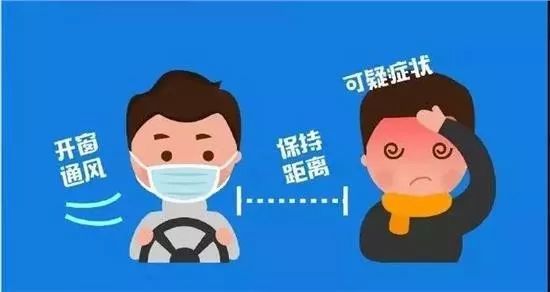
(3) Avoid Taking Public Transportation And Should Call For An Ambulance Or Use A Private Vehicle To Transport Patients. If Possible, Open The Car Windows On The Way.
(4) Close Contacts Who Are Sick Should Always Maintain Respiratory Hygiene And Clean Their Hands. When Standing Or Sitting On The Road Or In The Hospital, Try To Stay As Far Away From Others As Possible (at Least 1 Meter).
(5) Any Surface Contaminated With Respiratory Secretions Or Bodily Fluids Should Be Cleaned And Disinfected With A Disinfectant Containing Diluted Bleach.
10. What Are The Clinical Manifestations Of Pneumonia Patients Infected With Novel Coronavirus?
The Onset Of Pneumonia Infected By Novel Coronavirus Is Mainly Manifested By Fever, Which Can Be Combined With Mild Dry Cough, Fatigue, Poor Breathing, Diarrhea And Other Symptoms, While Symptoms Such As Runny Nose And Expectoration Are Rare. Some Patients Have Mild Onset Symptoms And May Not Have Fever. They Only Present With Headaches, Palpitations, Chest Tightness, Conjunctivitis, And Mild Muscle Soreness In The Limbs Or Lower Back. Some Patients Experience Difficulty Breathing After One Week, And In Severe Cases, The Condition Progresses Rapidly. Most Patients Have A Good Prognosis, While A Few Are Critically Ill Or Even Die.
11. How To Identify And Observe Pneumonia Cases Infected By Novel Coronavirus In Clinic
Simultaneously Meet The Following Two Conditions
(1) Epidemiological History: Travel Or Residence History In Wuhan Within The Two Weeks Before The Onset Of The Disease, Or Contact With Patients With Fever And Respiratory Symptoms From Wuhan In The 14 Days Before The Onset Of The Disease, Epidemic Situation Of Infectious Diseases In The Residential Area, Whether They Are Clustered Cases, And Whether They Have Caused Infection To Others. History Of Direct Or Indirect Contact With Relevant Markets In Wuhan, Especially Agricultural Markets.
(2) Clinical Manifestations: Fever; Has Imaging Characteristics Of Viral Pneumonia; In The Early Stages Of The Disease, The Total White Blood Cell Count Is Normal Or Decreased, Or The Lymphocyte Count Is Reduced.
On The Basis Of Observing The Case, Collecting Respiratory Specimens Such As Sputum And Throat Swabs For Virus Nucleic Acid Testing Can Make A Pathogen Diagnosis.
12. Prevention And Control Measures For Pneumonia Caused By Novel Coronavirus:
• Standard Preventive Measures;
• Air Transmission Prevention Measures;
• Contact And Droplet Prevention Measures: Wash Hands Frequently, Wear Masks When Going Out;
• Room Ventilation And Air Exchange;
• Cleaning And Disinfection: Novel Coronavirus Is Sensitive To Heat. Soak It In 56 ℃ Hot Water For 30 Minutes, 75% Alcohol, Chlorine Containing Disinfectant, Chloroform And Other Fat Solvents Can Effectively Inactivate The Virus.
5、 Medical Treatment Process
1. When To Seek Medical Attention
The Main Clinical Manifestations Of Patients With Pneumonia Infected By Novel Coronavirus Are Fever And Fatigue. The Respiratory Symptoms Are Mainly Dry Cough, And Dyspnea Gradually Occurs. In Severe Cases, The Symptoms Are Acute Respiratory Distress Syndrome, Septic Shock, Metabolic Acidosis That Is Difficult To Correct, And Coagulation Dysfunction. Some Patients Have Mild Onset Symptoms And May Not Have Fever. Most Patients Have Mild To Moderate Symptoms With Good Prognosis, While A Few Patients Are Critically Ill Or Even Die. If Symptoms Such As Fever, Fatigue, And Dry Cough Appear, It Does Not Necessarily Mean That One Has Been Infected.
But If Acute Respiratory Infection Symptoms Such As Fever (axillary Temperature ≥ 37.3 ℃), Cough, Shortness Of Breath Occur; (2) And Have A History Of Travel Or Residence In Wuhan, Or Have Had Contact With Patients With Fever And Respiratory Symptoms From Wuhan Within 14 Days Before The Onset Of The Disease, Or Have Experienced Small-scale Clustered Onset Of The Disease; You Should Go To The Designated Medical Institution In The Local Area For Investigation And Treatment.
2. Precautions For Medical Treatment
(1) If The Contact Person Shows Symptoms, It Is Necessary To Choose A Designated Hospital With A Fever Clinic In Advance.
(2) Masks Should Be Worn On The Way To The Hospital And Throughout The Entire Process Of Seeking Medical Treatment.
(3) Avoid Taking Public Transportation And Should Call For An Ambulance Or Use A Private Vehicle To Transport Patients. If Possible, Open The Car Windows On The Way.
(4) Close Contacts Who Are Sick Should Always Maintain Respiratory Hygiene And Clean Their Hands. When Standing Or Sitting On The Road Or In The Hospital, Try To Stay As Far Away From Others As Possible (at Least 1 Meter).
(5) Any Surface Contaminated With Respiratory Secretions Or Bodily Fluids Should Be Cleaned And Disinfected With A Disinfectant Containing Diluted Bleach.
(6) When Seeking Medical Treatment, It Is Necessary To Truthfully And Detailedly Describe The Illness Situation And Medical Process, Especially Informing The Doctor Of Recent Travel And Residence History In Wuhan, Contact History With Pneumonia Patients Or Suspected Patients, Animal Contact History, Etc.
-
The 'perpetual Motion Machine' Is Activated! Kaili After-sales Service Enables Customers T
2025-11-25
-

【 Zhuanqi News 】 It's Hot! Suizhou Intelligent Manufacturing Dominates The Screen In Beijing, A
2025-11-20
-

【 Overseas Recruitment 】 Kaili Automobile Group Overseas KD Factory Social Recruitment Notice!
2025-11-03