





【 Maintenance Tips 】 This Winter Sanitation Vehicle Maintenance Guide, You Must Keep It Safe!
In The Cold Winter, Sanitation Vehicles, As Important Tools For Urban Environmental Cleaning, Face Many Challenges. Low Temperature Environment May Cause Damage To Various Components Of The Vehicle, Affecting Its Normal Operation And Service Life. Therefore, In Order To Ensure That Sanitation Vehicles Can Work Efficiently And Stably In Winter, We Need To Give Them Special Care And Maintenance. Here Is A Detailed Winter Sanitation Vehicle Maintenance Guide, Be Sure To Save It!
Fuel

Diesel Vehicles Should Be Replaced With Suitable Diesel In A Timely Manner Based On The Temperature Of The Project Location. Generally Speaking, The Pour Point Of Fuel Should Be About 5 ℃ Lower Than The Ambient Temperature, And Diesel Fuels Such As -10 #, -20 #, -35 #, And -50 # Can Be Selected. This Is Because If The Pour Point Of Diesel Is Too High, It Is Easy To Condense In Low Temperature Environments, Causing The Fuel To Be Unable To Be Supplied Normally And Affecting The Starting And Operation Of The Vehicle.
Engine Oil
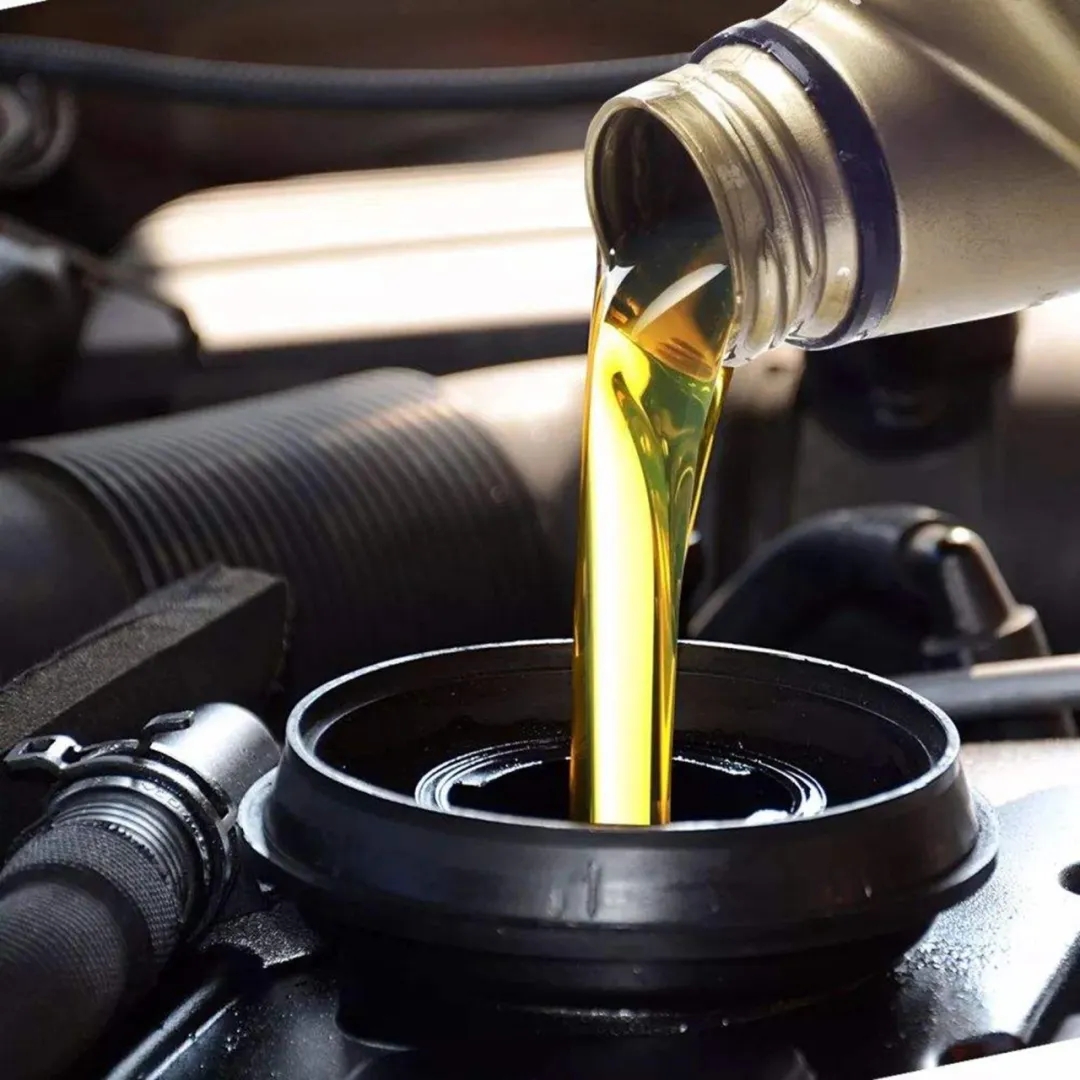
In Winter, The Temperature Is Low, The Engine Clearance Is Large, And The Lubrication Is Poor, Which Is Prone To Wear And Tear. So It Is Necessary To Replace It With Engine Oil With Low Viscosity And Low Pour Point, Such As 10W-30 Or 5W-30 Engine Oil, Which Has Strong Fluidity And Better Antifreeze Effect. Appropriate Engine Oil Can Better Lubricate Various Components Of The Engine In Low-temperature Environments, Reduce Wear, And Ensure The Normal Operation Of The Engine.
Hydraulic Oil

After A Period Of Use, The Wear Resistance Of Hydraulic Oil Will Decrease, And It Needs To Be Checked And Replaced Regularly. When Replacing, First Clean The Hydraulic Oil Tank And Replace The Hydraulic Oil Filter Element. Suggest Using HM46 # Hydraulic Oil That Meets The National Standard For -10 # And Above; -Select HS32 # Hydraulic Oil That Meets National Standards Below 10 ℃. This Can Ensure The Normal Operation Of The Hydraulic System And Avoid Equipment Failures Caused By Hydraulic Oil Problems.
Antifreeze

During Autumn And Winter Seasons, It Is Necessary To Replace The Antifreeze And Add It To The Engine Cooling System According To The Type Specified By The Manufacturer. Before Refueling, The Engine Cooling System Should Be Cleaned First. Antifreeze Not Only Prevents The Engine From Freezing In Low Temperature Environments, But Also Plays A Role In Heat Dissipation And Corrosion Prevention.
Tire
In Winter, The Tire Pressure Is Generally Slightly Higher Than The Normal Pressure. This Is Because Low Temperatures Can Lower The Tire Pressure, And Increasing The Pressure Appropriately Can Ensure The Normal Use Of The Tire.
02. Timely Remove Impurities From The Tire Tread To Prevent Foreign Objects From Damaging The Tire. The Debris Inside The Tread May Affect The Grip And Drainage Performance Of The Tire.
Chassis And Rear Assembly System

During Autumn And Winter Seasons, It Is Recommended To Use Low Temperature Resistant No.2 Or No.3 Butter For Maintenance, And Some Special Parts May Also Require Lubrication With Molybdenum Disulfide Butter. Appropriate Butter Can Reduce Friction Between The Chassis And Rear System Components, Extending Their Service Life.
Waterway System

01. Water Tank Drainage Operation
After The Vehicle Comes To A Complete Stop On A Flat Road, Open The Water Inlet Ball Valve On The Side Of The Vehicle To Ensure That All The Water In The Tank Is Drained. This Can Prevent The Water In The Tank From Freezing In Low Temperature Environments, Which Could Cause The Tank To Rupture.
02. Low Pressure Waterway Operation
Suitable For Road Cleaning Equipment With Low-pressure Water Pumps Such As Sweepers And Cleaning Vehicles. Open The Drain Ball Valve In The Low-pressure Water Circuit To Discharge The Residual Water In The Pipeline; Open The Front Spray, Rear Spray, Rear Spray, And Nozzle Ball Valves Of The Vehicle In Sequence (depending On The Vehicle Configuration, They Can Be Manually Or Pneumatically Operated), And Drain The Residual Water In The Ball Valve Connection Part; Open The Drain Ball Valve Under The Low-pressure Water Pump, Start The Power Take-off Of The Vehicle For 5-10 Seconds, And Complete The Drainage Of The Low-pressure Water System. This Series Of Operations Can Ensure That The Low-pressure Water System Will Not Be Damaged Due To Water Freezing In Winter.
03. Dust Removal Waterway Operation
Suitable For Road Equipment With Diaphragm Water Pumps Such As Washing And Sweeping Vehicles And Road Sweepers. Open The Ball Valves In The Dust Removal Water Circuit; Turn On The Diaphragm Water Pump Control Switch For 5-10 Seconds (depending On The Vehicle Configuration, If Necessary, Unplug The Water Shortage Detection Switch Plug To Shield The Water Shortage Alarm), And Complete The Drainage Of The Dust Removal Water System. Through These Operations, It Is Possible To Avoid Water Freezing In The Dust Removal Water System, Which Can Affect The Normal Operation Of The Equipment.
04. High Pressure Waterway Operation
Suitable For Road Equipment With High-pressure Water Pumps Such As Sweepers And Cleaning Vehicles. Open The Main Ball Valve At The Outlet Of The Clean Water Tank, The Drain Ball Valve Of The Water Filter, The Drain Ball Valve Of The High-pressure Water Circuit, And The Inlet And Outlet Ball Valves On The High-pressure Pump In Sequence; These Steps Can Ensure The Normal Operation Of The High-pressure Water System In Winter And Avoid Equipment Damage Caused By Water Freezing.
05. Precautions
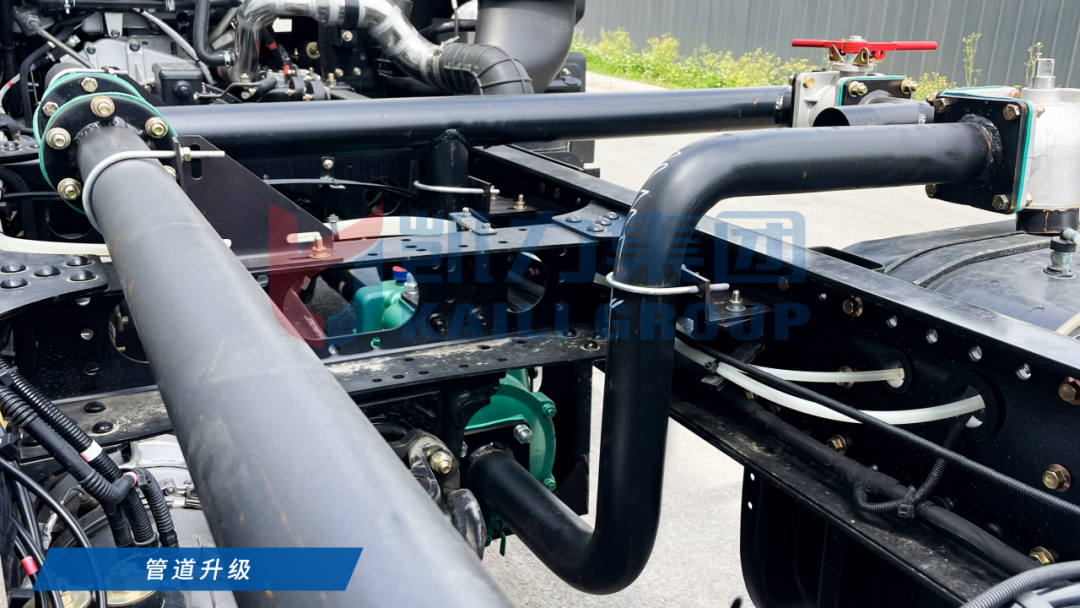
During The Drainage Process, If The Pipeline Is Bent, Too Long, Or Placed At The Lowest Point Of The Vehicle, The Line Break Button Should Be Used To View More Information. The Pipeline Should Be Removed For Drainage To Ensure That Residual Water Is Drained Completely. At The Same Time, The Vehicle's Water Valve Should Be Kept Open. This Is To Ensure That The Water In The Waterway System Can Be Completely Drained And Avoid Freezing.
Heating System
In Autumn And Winter, The External Temperature Is Low, And Most Sanitation Vehicles Operate Early. It Is Important To Maintain The Vehicle's Heating System In Advance And Check Whether The Heating Switch And Various Air Outlets Are Working Properly. At The Same Time, It Is Necessary To Use The Vehicle's Warm Air Blowing Method Correctly To Avoid Fogging The Glass And Affecting The Safe Driving Of The Vehicle. The Warm Air System Not Only Provides A Warm Driving Environment For The Driver, But Also Prevents Glass Fogging And Improves Driving Safety.
Preheating Device

In Winter, When The Car Is Cold, The Mechanical Parts Expand And Contract Due To Heat, And There Is A Large Gap Between The Parts. In Addition, The Low-temperature Engine Oil Flows Slowly, Which Accelerates The Wear Of The Engine When Starting The Car. Therefore, It Is Necessary To Heat The Car In Its Original State. Hot Car At Around Zero Degrees For About 1 Minute, Hot Car At Minus 10 Degrees For About 1-5 Minutes, And Hot Car At Minus 30 Degrees For At Least 10 Minutes. Heating The Car In Place Can Gradually Raise The Temperature Of The Engine In A Low-temperature Environment, Allowing The Oil To Better Lubricate Various Components Of The Engine And Reduce Wear.

Through The Comprehensive Winter Maintenance Measures Mentioned Above, It Can Be Ensured That Sanitation Vehicles Can Maintain Good Performance In The Cold Winter, Providing Strong Support For Urban Environmental Cleaning Work. I Hope This Guide Can Help Sanitation Truck Operators Better Maintain Their Vehicles And Keep Our City Clean And Tidy Even In Winter!